
Isuzu, Toyota to roll out jointly developed hydrogen fuel cell bus in 2026
Isuzu and Toyota announce joint development of next-generation fuel cell route buses

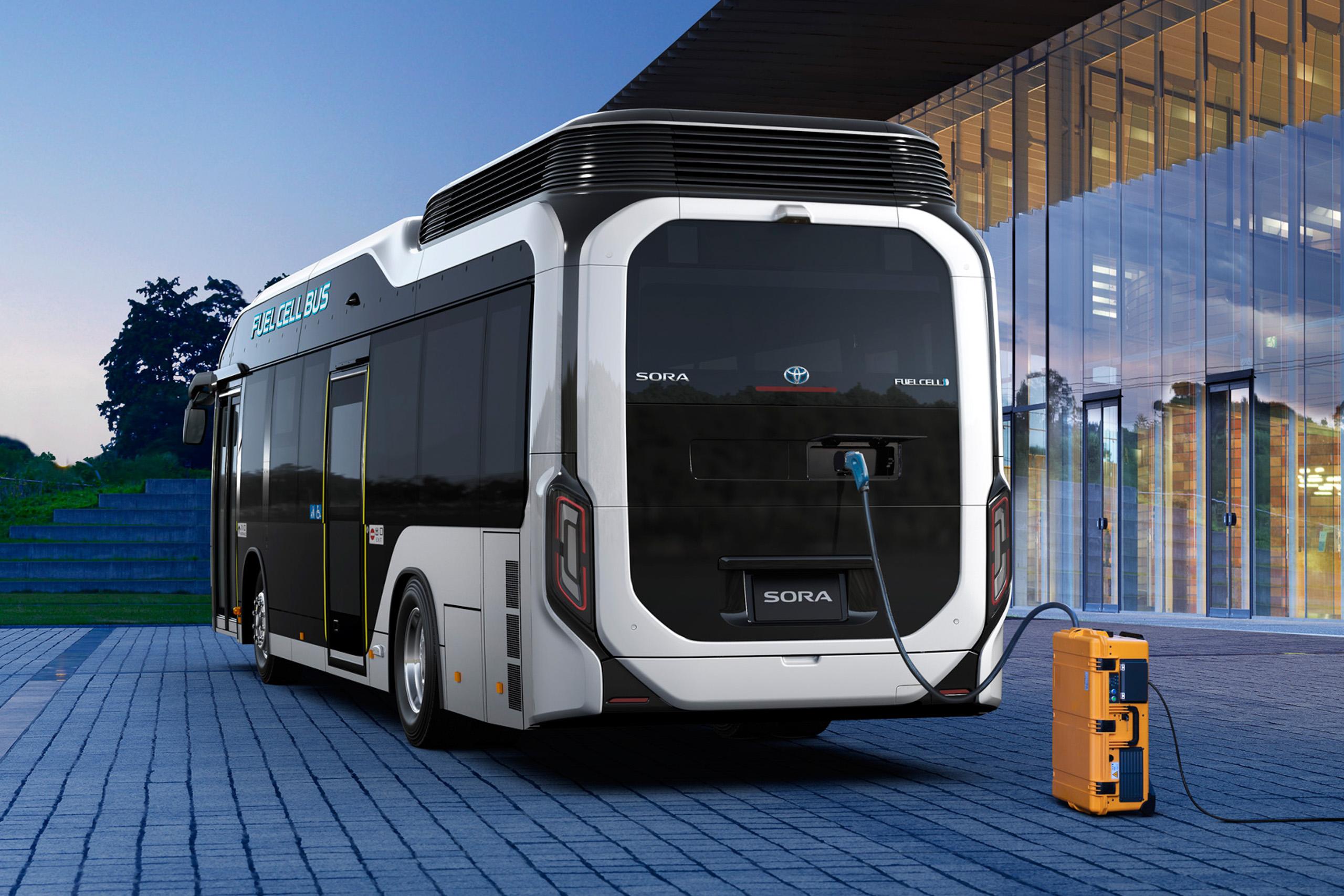
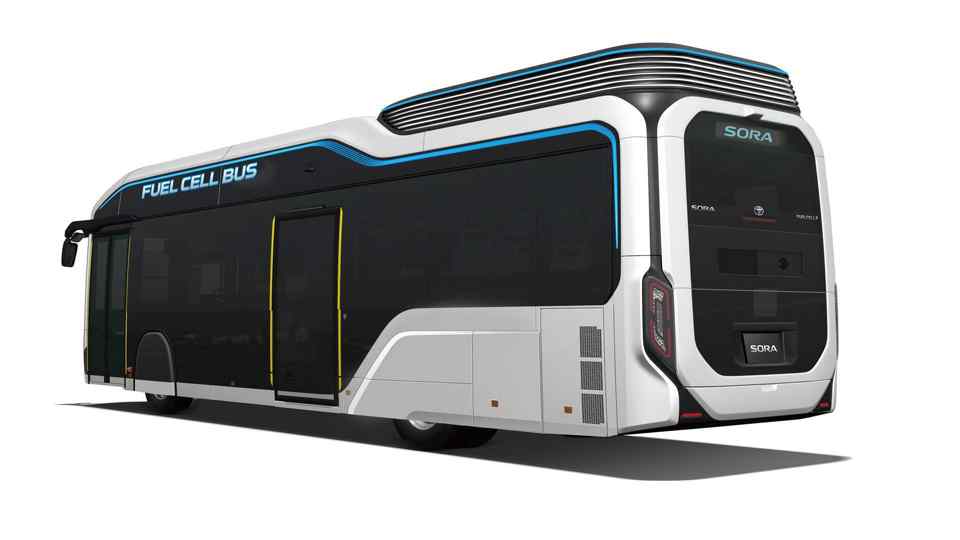
Isuzu Motors Limited and Toyota Motor Corporation have officially agreed to jointly develop the next generation of fuel cell (FC) route buses, with the goal of launching them commercially by fiscal year 2026.
Production will take place at J-Bus Co., Ltd.’s Utsunomiya Plant in Tochigi Prefecture, Japan. J-Bus is co-owned by Isuzu and Hino.
The upcoming fuel cell route bus will be based on a fully flat battery-electric bus platform, originally planned and engineered by Isuzu and manufactured by J-Bus. The hydrogen-powered variant will integrate Toyota’s fuel cell system — the same technology the automaker has been refining in the Mirai sedan and its heavy-duty truck projects.
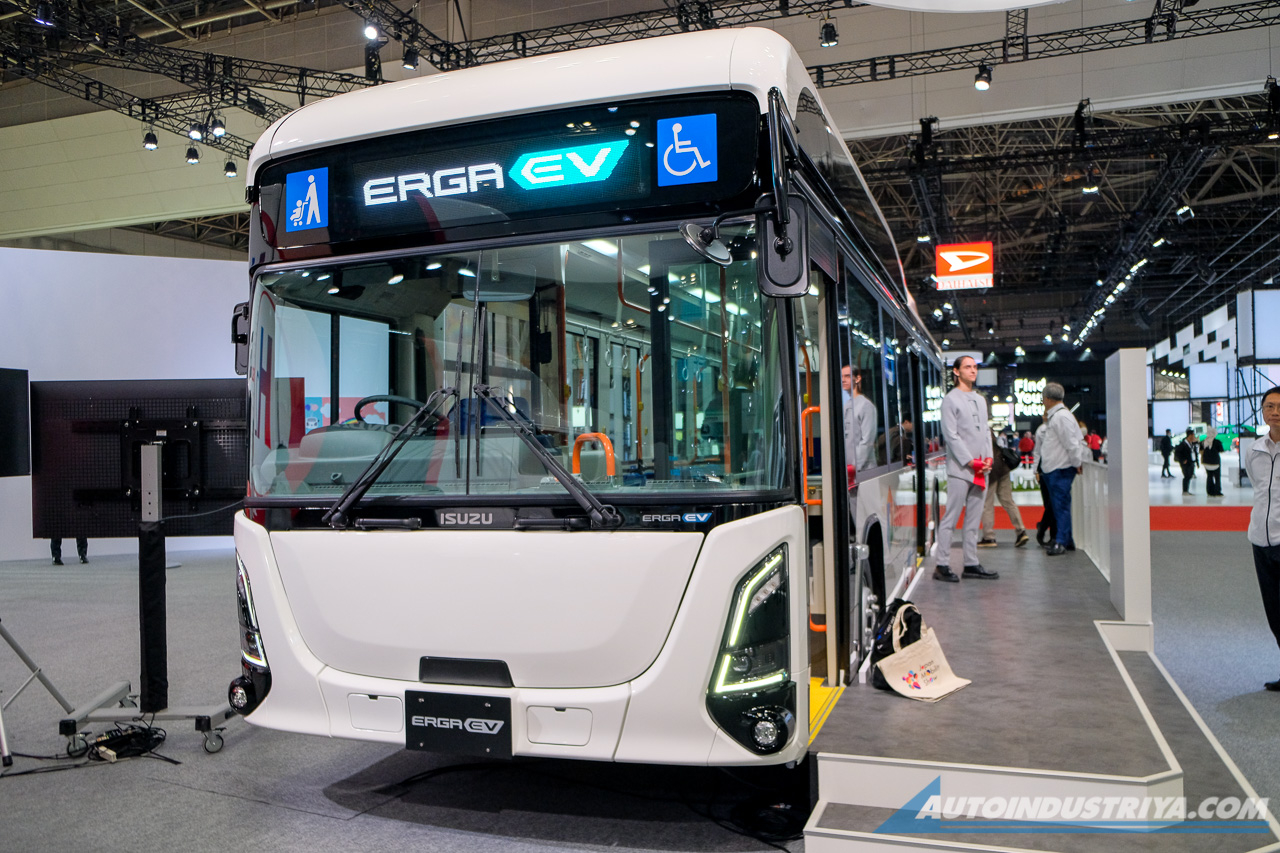
By sharing components between BEV (battery electric vehicle) and FCV (fuel cell vehicle) buses, this collaboration aims to drive down development and production costs, while at the same time aligning with both companies’ targets in accelerating the shift toward zero-emission public transport.
For Isuzu, the move is part of its push for carbon neutrality and diversification of eco-friendly bus technologies, building on its work with electric buses. On the other hand, Toyota continues to position hydrogen as another alternative of its Beyond Zero strategy, with ongoing projects that cover hydrogen production, storage, distribution, and application.
Both companies also confirmed that the buses will initially be deployed in Japan’s priority regions for promoting the introduction of fuel cell commercial vehicles, which include the Aichi, Fukuoka, Fukushima, Hyogo, Kanagawa, and Tokyo prefectures.
While the project is Japan-focused for now, its impact could extend to markets like the Philippines in the near future. The PUV Modernization Program has so far leaned heavily on diesel, hybrid, and electric alternatives, but hydrogen could become the next addition, especially in fixed routes such as the EDSA Carousel.
The bigger challenge, however, is infrastructure. Unlike Japan, the Philippines currently has no established hydrogen refueling stations, making BEVs more immediately viable in the short term.
Still, if the government’s push for alternative fuels expands to cover hydrogen in the future, Toyota and Isuzu’s partnership could open the door for hydrogen-powered buses to run in Metro Manila and other urban centers.
Related Posts
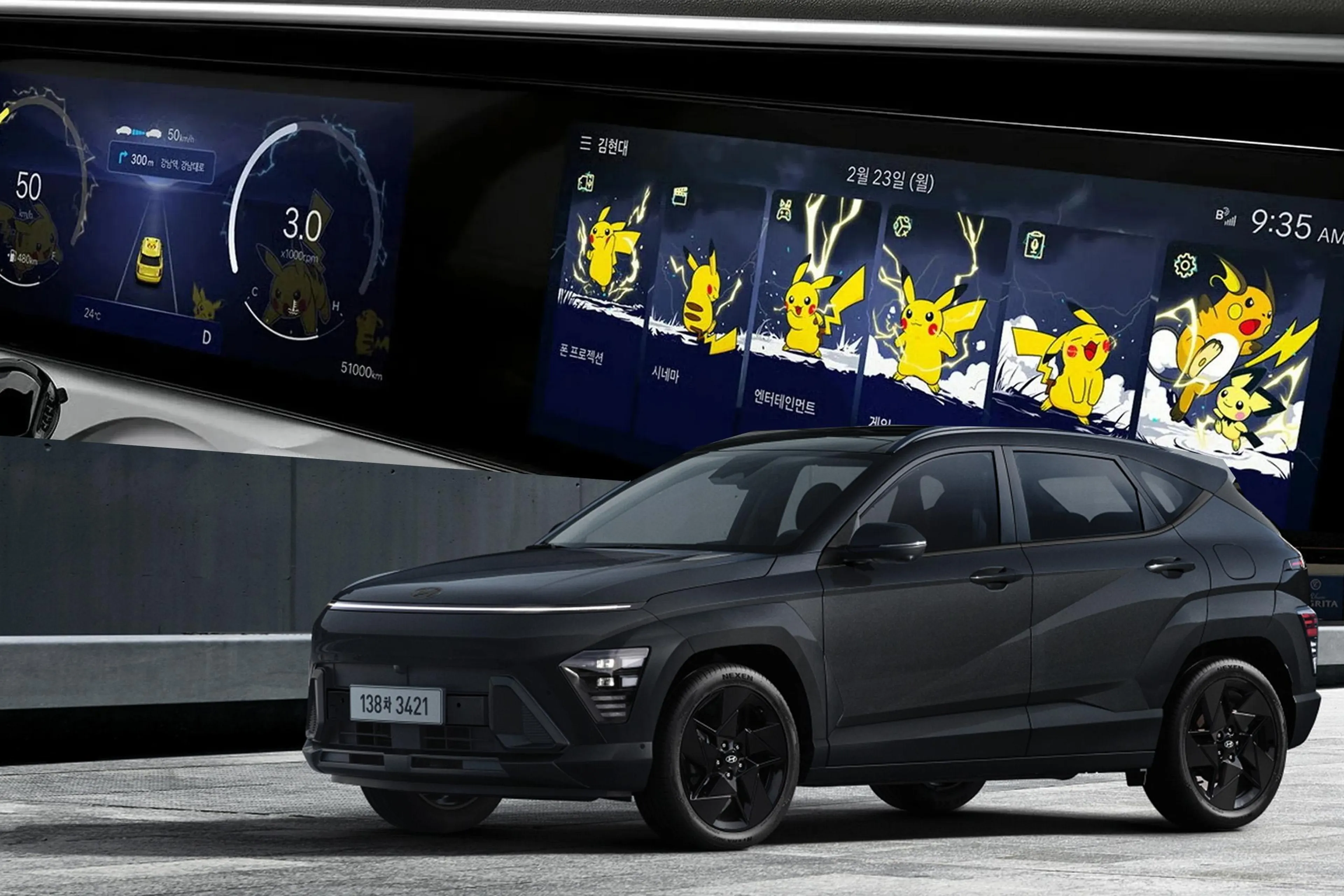
Hyundai adds Pokemon-themed displays for 2027 Kona update
Hyundai Kona being offered with lower SRP in Korea, and gets some interesting updates
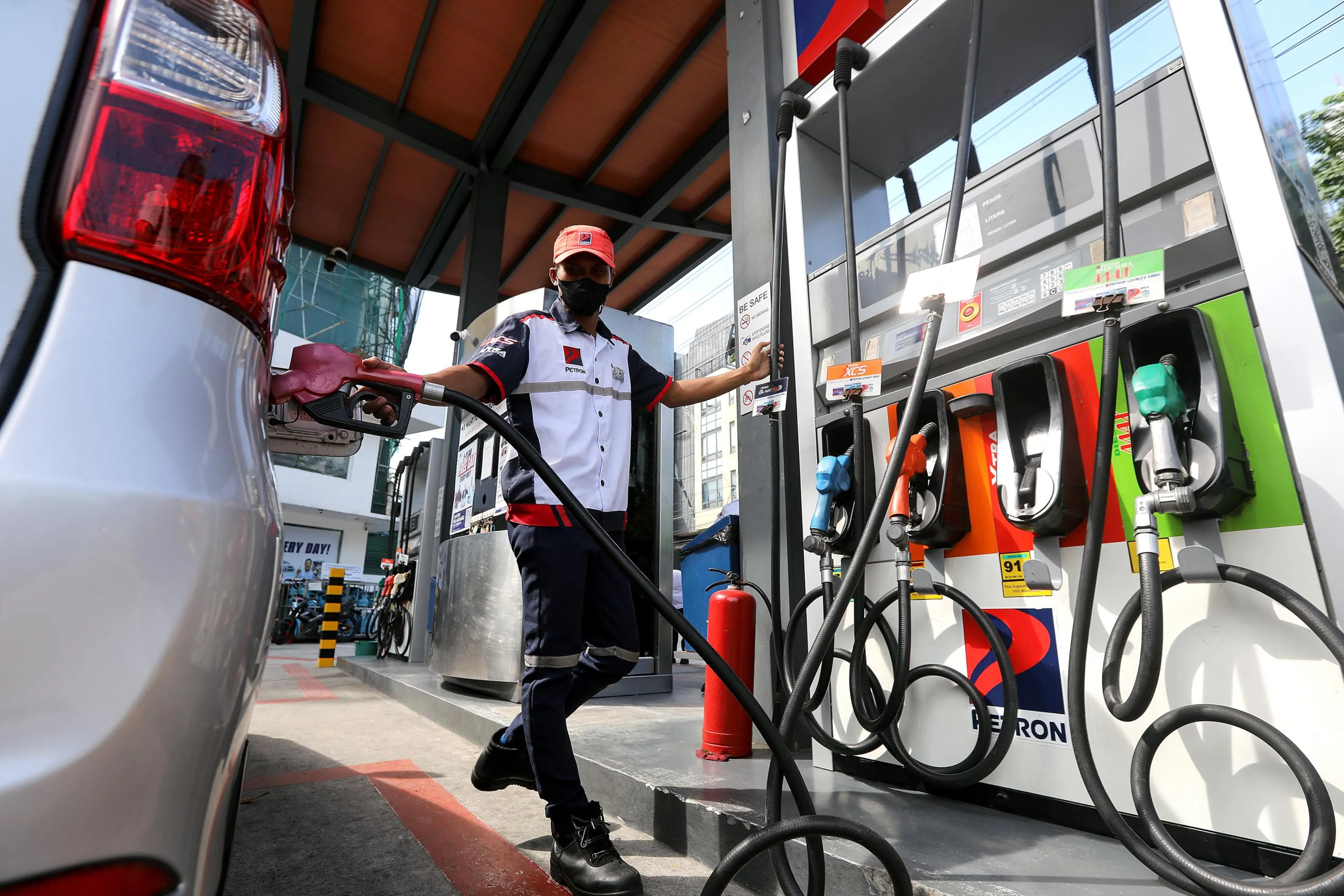
Department of Finance: PH to lose PHP 50B if fuel excise tax is suspended
Suspension of excise tax on diesel and gasoline will result in loss of revenue, says DOF

MMDA to ‘close’ EDSA for a marathon event on June 12
Runrio Manila Marathon 2026 to occupy lanes from MOA to SM North
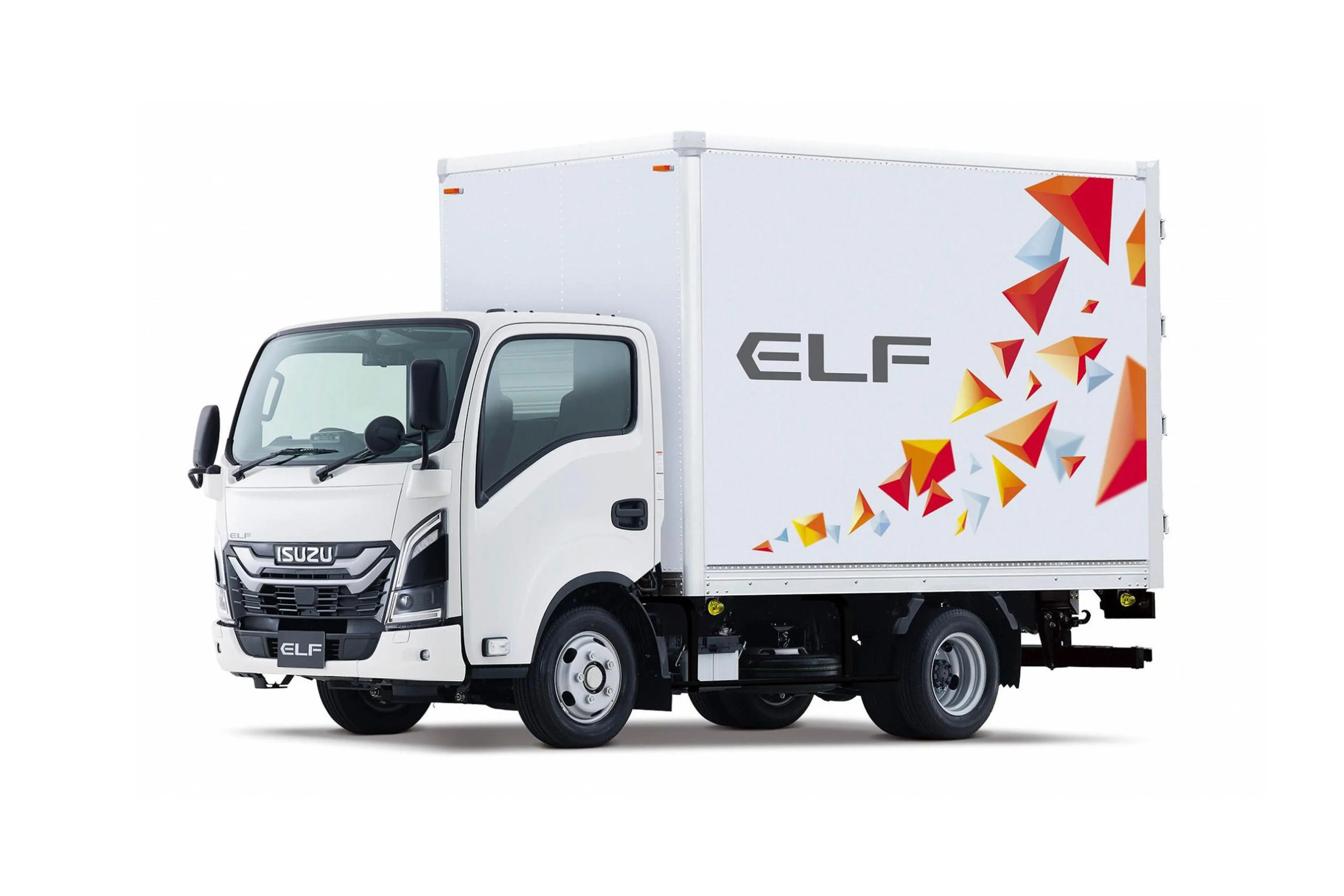
Isuzu Elf with Toyota hydrogen fuel cell tech set for 2027 launch
Isuzu, Toyota agree to jointly develop first mass-produced fuel cell light duty truck in Japan
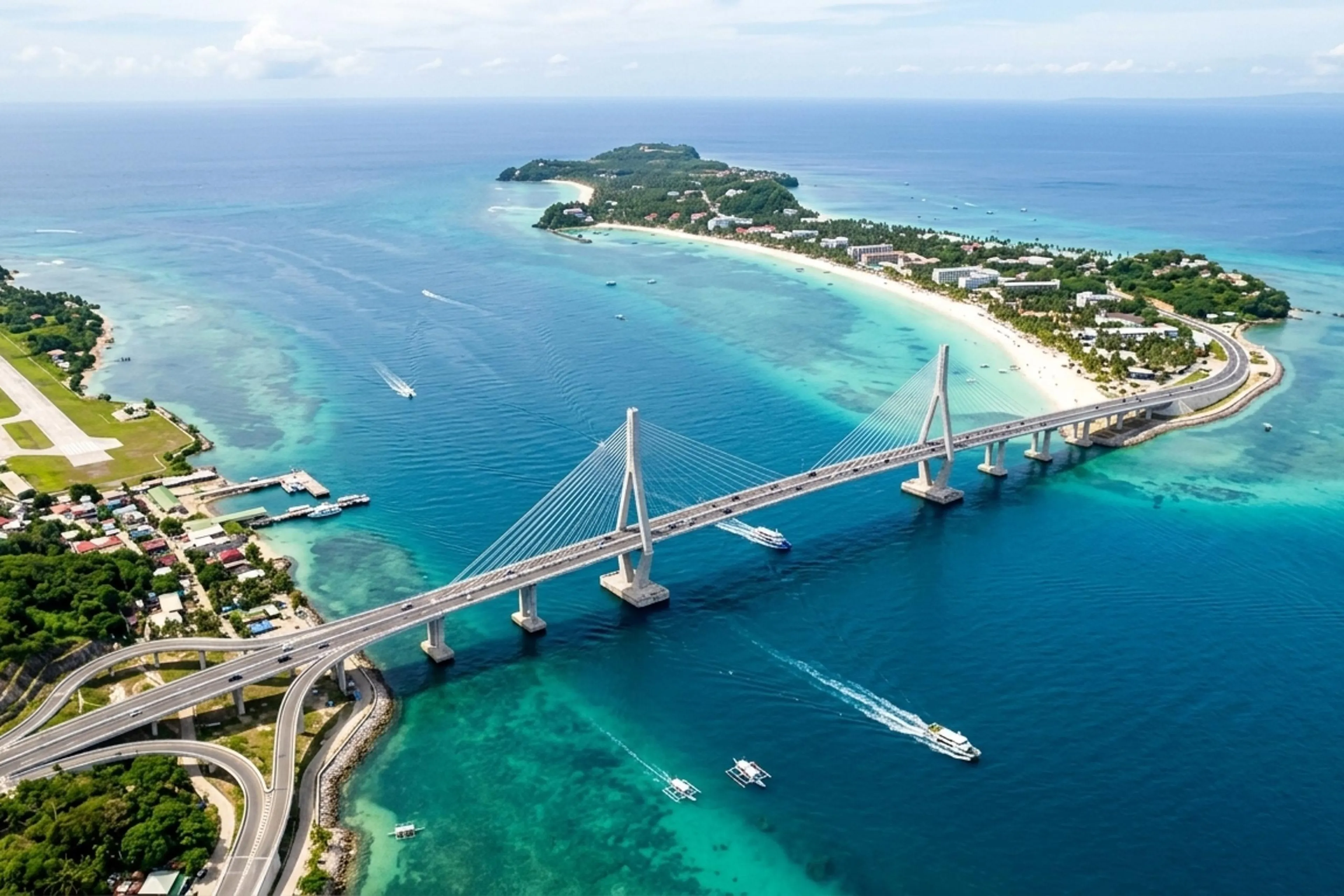
DPWH awards San Miguel Corp to build PHP 7.78B Boracay 'Skyway'
Is this good or bad for those living in Boracay?
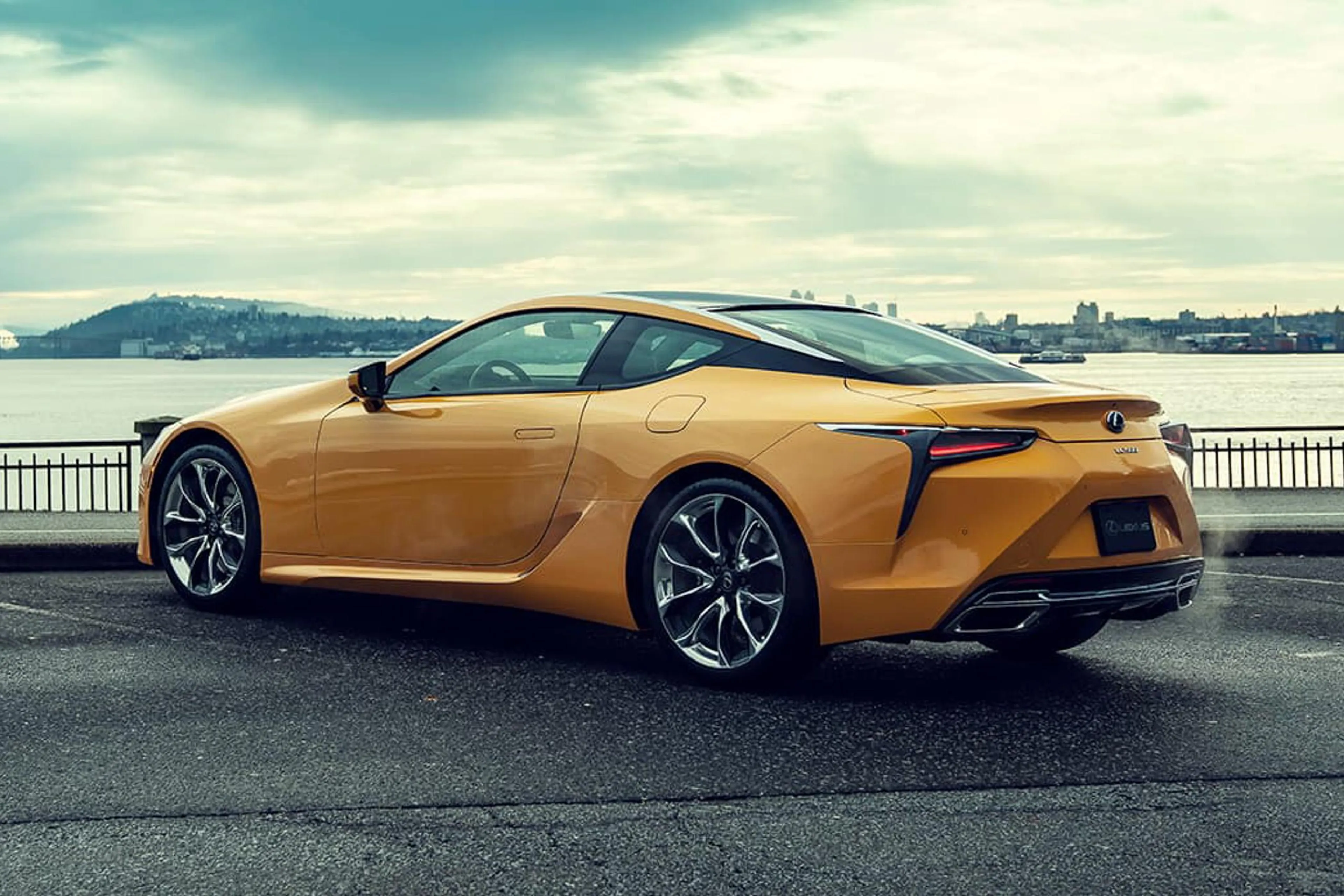
Toyota PH gets approval for a 5.0L V8; is this for Lexus LC 500 Final?
After getting approval from the LTO earlier this year, the Lexus LC 500 Final could finally be revealed